

A custom compact mirror can work well in a beauty brand program when it has a clear role after the campaign: a useful item in a handbag, a companion to a makeup product, or a retail accessory that customers will keep. It is less effective when it is chosen only because it is small and easy to brand.
This guide helps buyers decide whether a compact mirror fits the program before product specifications are discussed.
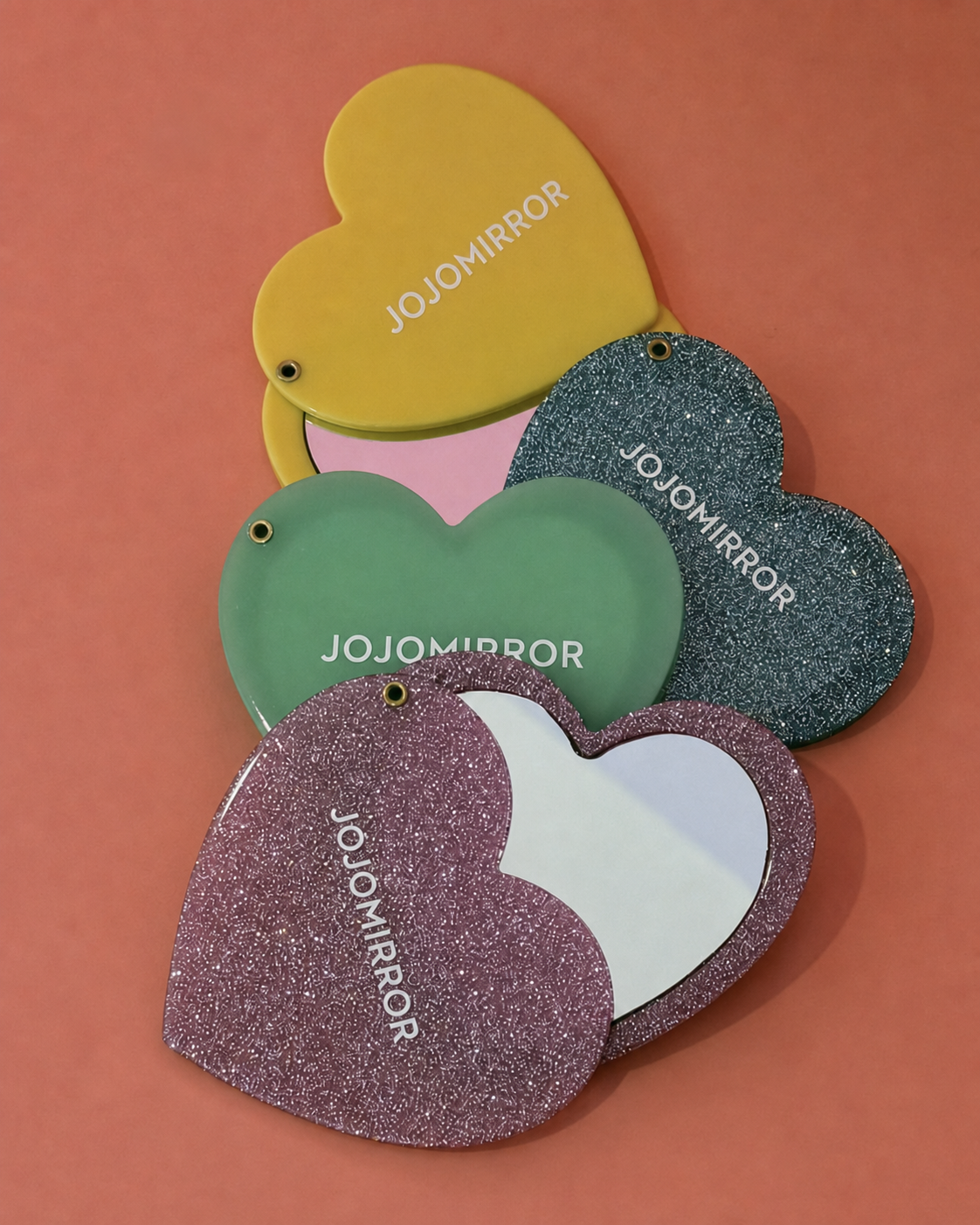
When a Compact Mirror Fits the Program
A compact mirror is a natural fit when the audience already uses beauty, skincare, fashion, travel, or personal-care products. The strongest programs give the mirror a clear purpose rather than treating it as a generic giveaway.
Typical situations include:
- Beauty product launches: the mirror supports makeup application and can extend the visual identity of the launch.
- Gift-with-purchase programs: the item adds practical value to a qualifying beauty purchase.
- Retail sets: the mirror can sit beside cosmetics or accessories as part of a coordinated offer.
- Events and press kits: a portable mirror can reinforce the event theme while remaining useful afterward.
- Client or membership gifts: the format works when portability and daily use matter to the recipient.
The buyer should be able to explain why the recipient will use the mirror. If that explanation is clear, the product has a stronger basis than a logo-only promotional item.
When It May Not Be the Right Format
A compact mirror may not be the best choice for every campaign.
Consider another format when:
- the audience has little connection to beauty, grooming, travel, or personal accessories;
- the campaign needs a disposable or very short-life handout;
- the communication idea depends on a large print area;
- the product will be used mainly at a fixed vanity or retail counter;
- the program has no time for sample approval, artwork confirmation, and packaging decisions.
For a fixed-use setting, a tabletop or handheld mirror may match the use case better. For a message-led giveaway, another promotional product may provide a more suitable branding area.
This early decision prevents the team from forcing a compact mirror into a program that requires a different product experience.

Define the Program Before the Product
Before choosing a specific compact mirror, define the commercial context. A useful internal brief should answer five questions:
- Who will receive the mirror?
- Is it a retail product, gift with purchase, event item, set component, or client gift?
- What should the recipient do with it after receiving it?
- Where will it be packed, displayed, or distributed?
- What approval date and launch date control the project?
These answers guide later product decisions without turning the first discussion into a long specification exercise.
For example, a mirror sold as a retail accessory needs a different presentation and approval standard from one packed inside a beauty gift set. An event item must be planned around the event date, while an ongoing retail program may place more emphasis on repeatability and replenishment.
How the Use Case Changes the Buyer Brief
The program type determines what the buyer should emphasize when speaking with a manufacturer.
| Program | Questions to settle first |
|---|---|
| Beauty launch | Which product or collection does the mirror support, and how closely should it match the launch identity? |
| Gift with purchase | What purchase triggers the gift, how will it be packed, and what perceived value should it add? |
| Retail set | Will the mirror be sold separately or inside a set, and what retail presentation is required? |
| Event or press kit | What is the fixed event date, recipient count, packing sequence, and approval deadline? |
| Client gift | Who receives it, what level of presentation is expected, and how will it be delivered? |
These are buyer-side decisions. The detailed construction, mirror, customization, sample, and quality options belong in the product development stage.

Move From Program Fit to Product Specification
Once the team confirms that a compact mirror fits the program, the next step is to translate the use case into a manufacturable product brief.
Review the custom compact mirror manufacturing page for available product directions, customization choices, development steps, quality checks, and the information required for quotation.
If your team is still preparing the development brief, use the compact mirror design and sample approval checklist before sending specifications.
Ready to discuss a real program? Request a custom compact mirror quote and include the program type, target market, estimated quantity, required use, packaging context, and target date. Product details, MOQ, sampling, and production timing will be confirmed for the specific project.
About the Author

Queena Hu
JoJoMirror
WhatsApp: +86 180 7107 3890 | Mobile: +86 180 7107 3890