
A tabletop mirror sample should be approved as a complete working structure. A finish can look correct while the base tips, the rotation joint drifts, the magnifying side is uncomfortable to use or the packed mirror remains vulnerable to impact.
This checklist converts the selected design into measurable approval points before bulk production. For structure, material and customization routes, see the custom tabletop vanity mirror page.
1. Record the Complete Approved Configuration
- Overall height, mirror dimensions and base footprint
- Fixed, folding, 90-degree, 360-degree, double-sided, detachable or storage structure
- Frame, stand and base materials
- Mirror material and magnification on each side
- Non-lighted or LED function set
- Color, surface treatment, logo and complete packaging
Do not approve separate reference images as if they automatically describe one combined product. Record the exact combination shown by the physical sample.
2. Test Base Stability and Tipping Risk
Place the mirror on the type of flat surface expected in use. Check whether the base remains stable at the intended viewing angle and while the mirror is adjusted. For detachable or storage-base designs, repeat the check after assembly and with the approved components in place.
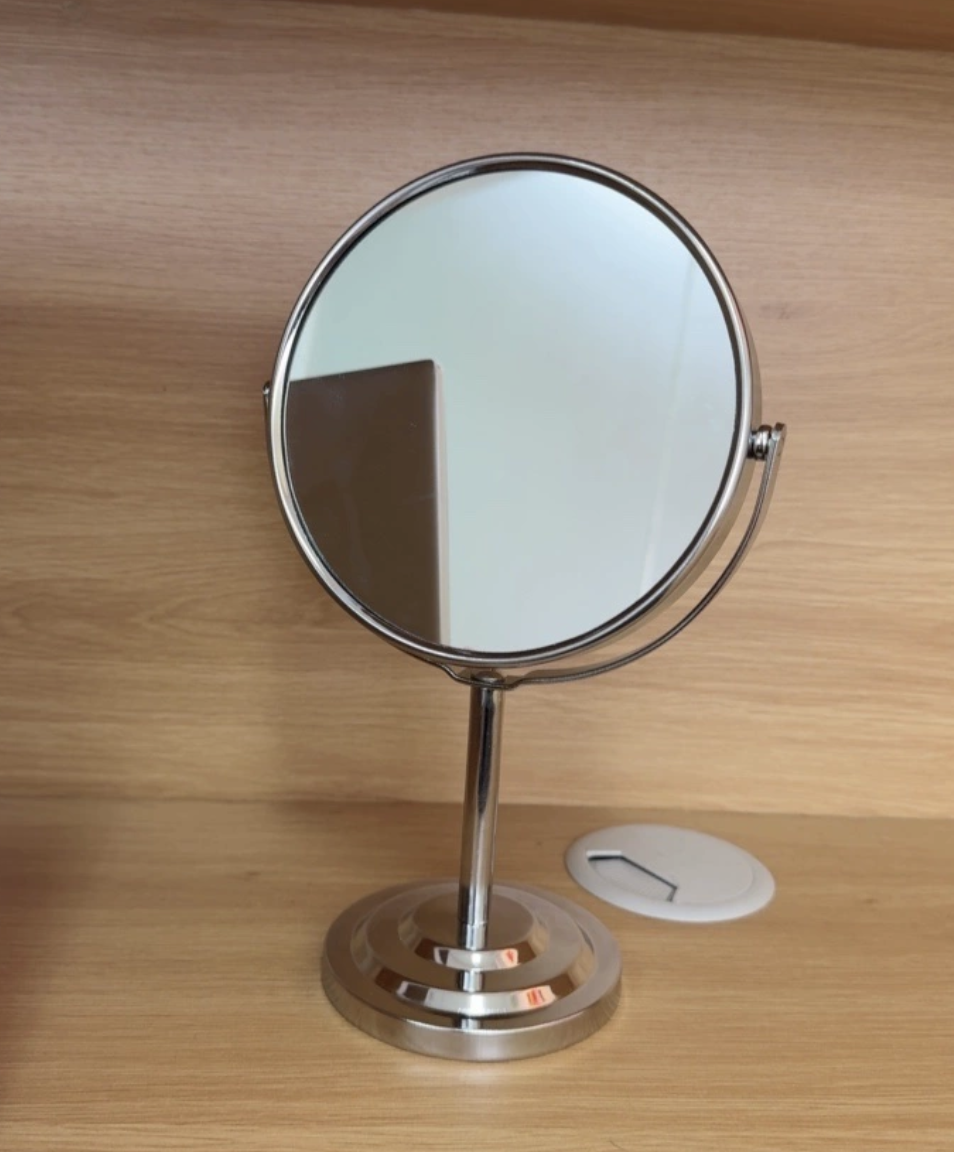
3. Check Rotation, Hinges and Angle Holding
- Move the joint through its intended 90-degree or 360-degree range.
- Check that the frame clears the stand and base without unwanted contact.
- Confirm that the selected viewing angle holds instead of drifting.
- Open and close folding structures repeatedly and inspect the hinge response.
- Check that detachable connections are secure and understandable to assemble.
4. Approve the Mirror in the Real Viewing Position
Inspect the mirror for breakage, scratches and unacceptable visible distortion. Confirm which side carries each magnification and test it at the distance created by the actual stand. A higher magnification number is not automatically better when the usable mirror area or viewing distance is unsuitable.
5. Review Surface, Logo and Assembly
- Check accessible edges for rough areas or burrs.
- Inspect the frame, stand and base for scratches, stains and finish defects.
- Compare spraying or electroplating with the approved physical sample.
- Confirm silk-screen logo clarity, placement, size and color.
- Check that assembled parts are aligned and secure.
6. Test LED and Power Functions Where Specified
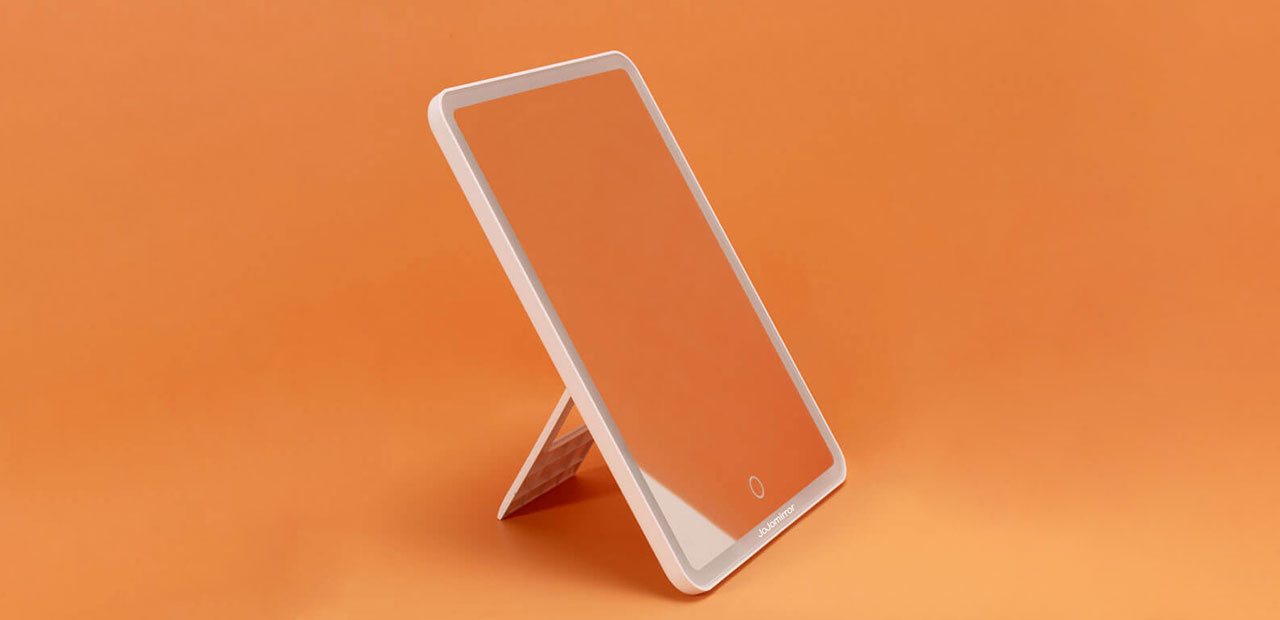
For an LED tabletop mirror, confirm warm, daylight and cool light switching, mirror touch response, dimming if included, and the approved USB or plug-in power function. Record the operating logic and supplied accessories so production is not judged against an unwritten expectation.
Power route and market documentation. Confirm whether the approved model uses USB power, a built-in rechargeable cell or an AC adapter. Plug type, input voltage and electrical documentation are checked per model and destination market against the actual power configuration in the approved sample. When a rechargeable cell is included, transport documentation such as a UN38.3 test report and safety data sheet is checked against the actual cell and intended shipping route. No document is assumed to cover a different model, component, destination or carrier.
7. Approve Packaging and Transport Protection
Check that the mirror protective film is complete and that impact-sensitive areas receive suitable bubble protection. Confirm the approved polybag, instructions, accessories, blister or color box where required, and the shipping-carton arrangement. The packed unit should not move excessively inside its pack.
8. Turn the Sample into a Production Record
Record the approved measurements, material names, magnification placement, joint behavior, LED sequence, power route, plug and input voltage where applicable, artwork, color reference, packaging list and dated photographs. Define the order-specific inspection scope, required market or transport documents, sampling plan and acceptance criteria rather than relying on a universal inspection percentage.
If the product route is still undecided, first review whether a non-lighted or LED tabletop mirror fits the program.