
A magnification number alone does not tell a buyer whether a handheld mirror will be comfortable to use. The mirror size, viewing distance and usable field of view must be approved together on a physical sample.
JoJoMirror can review 5X, 10X, 15X and 20X options for handheld mirror projects. Availability is confirmed against the selected mirror size and structure; it is not a promise that every power fits every design.
For the complete product and customization routes, see our custom handheld mirror manufacturer page.
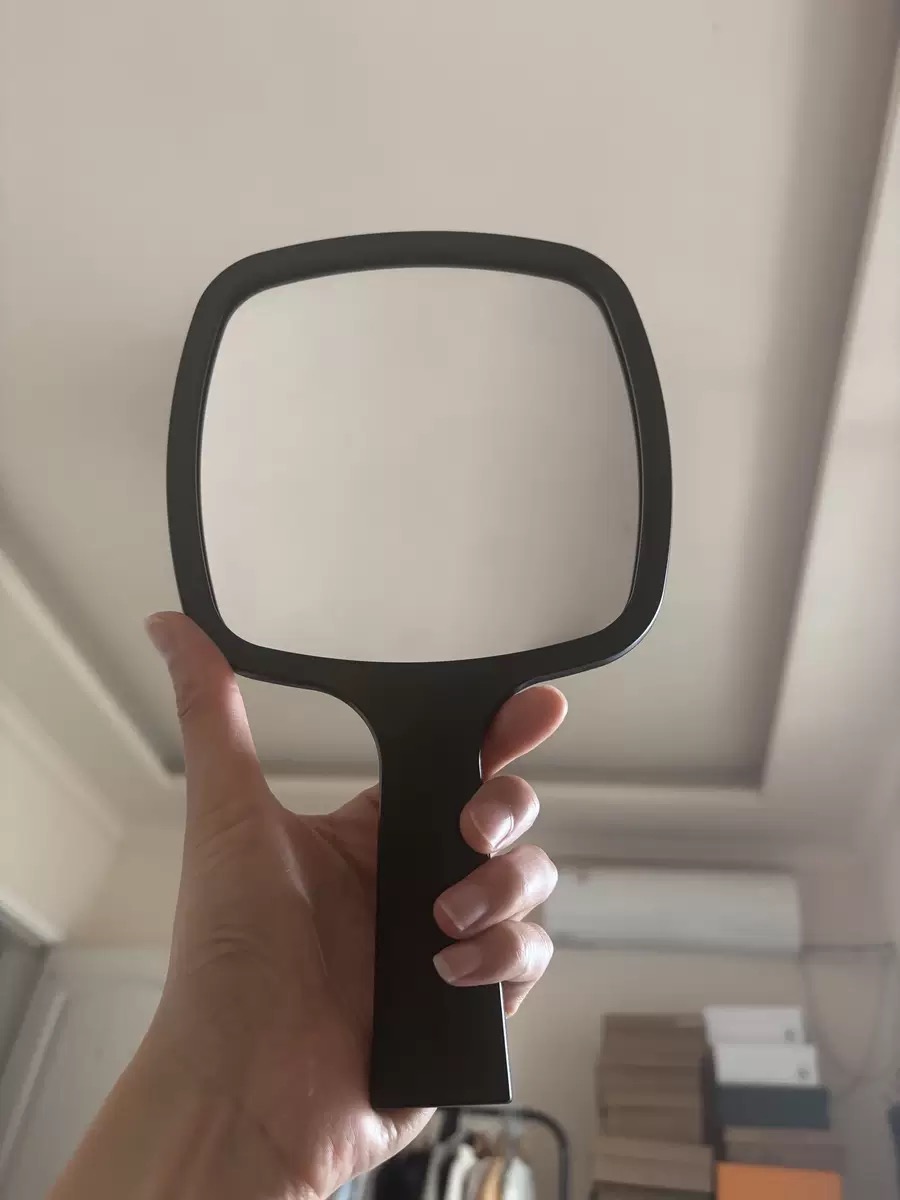
Start With the Viewing Task, Not the Largest Number
Before asking for a magnification, define what the user needs to see and how the mirror will be held. A normal-view side supports an overall facial view. A magnifying side is intended for closer detail work.
Higher magnification generally requires the user to hold the mirror within a more specific viewing range and reduces the area visible at one time. That tradeoff becomes more important when the mirror itself is small.
A useful buyer brief therefore states:
- normal view only or normal view plus magnification;
- the expected handheld viewing task;
- the target mirror dimensions;
- single-sided or double-sided construction;
- whether the mirror must also fold or stand.
How to Compare 5X, 10X, 15X and 20X
| Option to sample | What the buyer should evaluate | Decision boundary |
|---|---|---|
| 5X | Whether the image gives useful detail while remaining easy to position. | Approve the actual mirror diameter or shape; do not approve by power alone. |
| 10X | Whether the closer viewing range fits the intended beauty task. | Check comfort, image area and how steadily the product can be held. |
| 15X | Whether the buyer truly needs a stronger detail view in a handheld format. | Confirm the workable viewing position with the physical sample. |
| 20X | Whether the very close-detail use case justifies the narrower usable view. | Use only after sample approval for the exact mirror size and construction. |
This table is a sample-evaluation framework, not a universal performance ranking. The largest number is not automatically the best specification.
Single-Sided or Double-Sided?
A single-sided handheld mirror keeps the product brief straightforward when only one viewing specification is needed. A double-sided structure can combine a normal-view side with a selected magnifying side.
For a double-sided project, approve both sides as one system. The buyer should check the frame depth, weight, handle balance, edge treatment and how the two mirror specifications affect use.
What to Approve on the Magnification Sample
- Mirror material and final dimensions.
- Normal or magnifying specification for each side.
- Comfortable viewing distance for the intended task.
- Usable image area and whether positioning feels practical.
- Mirror condition, including visible scratches or breakage.
- Frame fit and the balance of the finished handheld structure.
Record the approved sample rather than relying on a catalogue number. Our handheld mirror sample approval checklist covers the other visible and structural checkpoints.
Send a Better Magnification RFQ
Include the target market, intended use, mirror dimensions, single- or double-sided structure, requested powers, material preference, quantity and packaging route. MOQ, sample quantity and production timing are confirmed after the complete specification is reviewed.
Request a custom handheld mirror quote.
About the Author

Queena Hu
JoJoMirror
WhatsApp: +86 180 7107 3890 | Mobile: +86 180 7107 3890